 Nederlands
 English
 Great Britain
 Deutsch
 Français
 Svenska
- Home
- Inspiration
- Sustainable garden design with attention to light & living environment
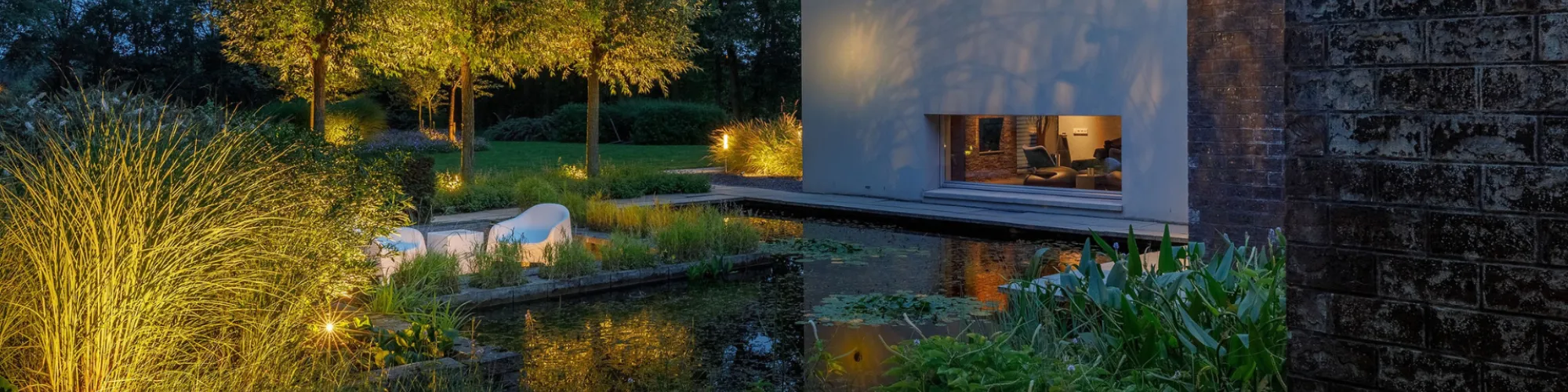
Sustainable garden design with attention to light & living environment
A sustainable garden goes beyond greenery alone. It is about creating an outdoor space where nature, usability, and comfort come together. By making conscious choices in planting, materials, water management, and lighting, you create a garden that is not only enjoyable but also built to last. In this blog, you’ll read how to apply sustainability and how it creates balance and cohesion.
Summary
A sustainable garden is all about balance between greenery, water, materials, and energy consumption. By choosing native plants, smart water solutions, and a low-maintenance layout, you create a garden that largely maintains itself and contributes to biodiversity. Lighting plays an important role in this. With energy-efficient garden lighting, you extend the use of the garden without unnecessary strain on the environment. By being mindful of light color, operating hours, and control systems, a sustainable outdoor space is created.
What is a sustainable garden?
A sustainable garden has minimal negative impact on the environment. It contributes to the natural ecosystem, leaving room for biodiversity, water, healthy soil, and smart energy use. The result is a living garden that largely sustains itself and continues to become more beautiful over time.
The foundation of a sustainable garden design
A sustainable garden design starts with a clear overview. The way you design the garden affects how water flows, where plants thrive, and how the space is used.
By thinking in advance about sun exposure, shade, soil, and sightlines, you avoid having to make adjustments later. This also ensures that greenery, paving, and lighting complement and enhance each other.
Less paving, more life
Gardens with a lot of paving heat up more quickly and drain water poorly. By limiting hard surfaces and choosing greenery or permeable materials, your garden becomes more vibrant. Rainwater can infiltrate the soil more easily, and plants provide cooling. This makes the garden not only more sustainable but also more comfortable during warm days.
Biodiversity in the garden through planting
Plants form the basis of a sustainable garden. Native plants are well suited to the local climate and require less water and maintenance. By working with different heights, flowering periods, and structures, you create a garden where both people and animals feel at home. You’ll see more insects and birds, and this biodiversity supports a stable ecosystem. In addition, the garden remains visually interesting throughout the year.
Smart water management in the garden
A sustainable garden design takes water into account. Rainwater is not drained away but collected and reused. By incorporating elevation differences, planting, and permeable soil into the design, water gradually seeps into the ground. This is better for the environment and helps keep the garden healthy during dry periods.
The rain barrel: a simple and eco-friendly option
A rain barrel is a simple and effective way to manage water sustainably in the garden. Rainwater that would otherwise flow straight into the sewer is collected and can be reused during dry periods. This reduces pressure on the sewer system during heavy rainfall. Plants benefit from collected rainwater, helping maintain healthy soil. Many municipalities offer subsidies for purchasing a rain barrel, as it contributes to a better environment.
Sustainable materials and natural boundaries
Materials with a long lifespan contribute to sustainability. Natural boundaries, such as hedges or climbing plants, are environmentally friendly and also provide shelter for wildlife. By choosing materials that age beautifully, the garden remains attractive for many years.
How do you use lighting in a sustainable garden?
Lighting is often seen as an “extra,” but in a sustainable garden it is a conscious choice. Good garden lighting extends the usability of the garden and increases comfort. Because lighting is typically a one-time investment that lasts for years, it contributes to the overall sustainability of the garden.
Insect-friendly garden lighting
Sustainable lighting takes the surrounding environment into account. Warm light between 2700 and 3500 kelvin is more pleasant for insects than cool white light. By directing lighting at specific elements instead of illuminating the entire garden, you minimize disturbance to insects.
Smart control of when the lights are on
Sustainability is not only about the type of lighting but also about how it is used. With transformers equipped with an astronomical timer or app-based control, you decide when the lighting turns on and off. This ensures the lights are only on when needed, keeping energy consumption low.
Sustainability after dark
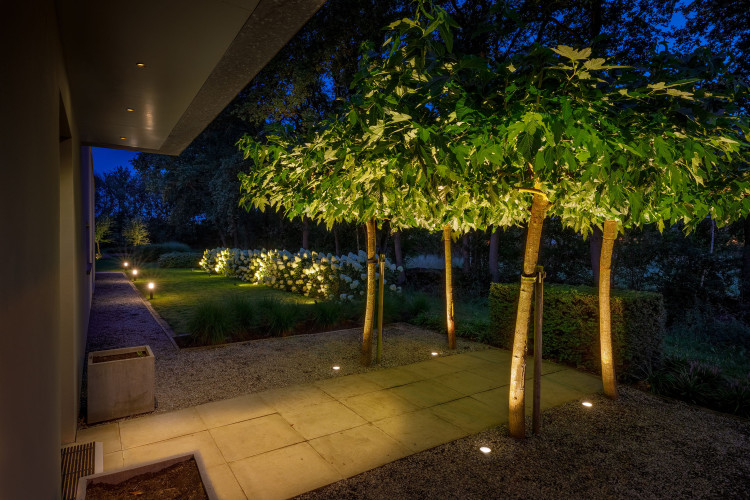
A sustainable garden doesn’t end at sunset. Thanks to subtle lighting, the garden remains a calm and safe place to relax. By creating accents with spotlights and decorative lights instead of lighting everything, you create atmosphere without disrupting the natural environment.
Step-by-step plan for a sustainable garden
Below is a step-by-step approach to making your garden more sustainable.
Step 1: Observe what the garden needs
Start by observing. Look at where water collects, where the sun reaches, and which areas are rarely used. This forms the foundation.
Step 2: Work with nature instead of against it
Choose plants that match the soil and light conditions. Allow parts of the garden to become more natural so the ecosystem can develop.
Step 3: Combine greenery, water, and lighting thoughtfully
See these elements as one cohesive whole. Lighting highlights structures and makes the garden usable in the evening without extra strain. Consider options such as post lights or uplights.
Step 4: Choose solutions that last for years
Sustainability means thinking ahead. Materials and lighting with a long lifespan require less replacement and provide long-term peace of mind.
Sustainable garden designs for every outdoor space
Even a small garden, terrace, or balcony can be designed sustainably. By using vertical greenery, smart lighting, and conscious material choices, you create an outdoor space that contributes to a healthy living environment, regardless of size.
Conscious choices
A sustainable garden is created through harmony between greenery, water, materials, and light. By using lighting thoughtfully, the garden remains part of a healthy and pleasant living environment even in the evening.
Get inspired by Lightpro’s sustainable lighting
Curious which lighting solutions suit sustainable gardens? Use our configurator to create a lighting plan, or contact us for more information.
Frequently asked questions
What makes a garden sustainable?
A garden is sustainable when it contributes to biodiversity, manages water effectively, uses little energy, and lasts for many years without major changes.
Is garden lighting sustainable?
Yes, when applied thoughtfully. By choosing low-voltage lighting, warm light, LED technology, and smart control systems, you increase garden usability without unnecessary energy consumption.
Which light color is suitable for a sustainable garden?
Warm light between 2700 and 3500 kelvin is pleasant for people and less disruptive for insects than cool white light.
Can an existing garden be made more sustainable?
Yes, sustainability doesn’t have to be achieved all at once. By gradually adding greenery, improving water use, and applying lighting intelligently, any garden can become more sustainable.
Is a sustainable garden maintenance-free?
A sustainable garden requires less intensive maintenance but is never completely maintenance-free. Nature does much of the work itself, meaning maintenance mainly involves guiding rather than intervening.